Why Your Vision Declines
It's not just aging. There are real, fixable reasons behind deteriorating eyesight — from screen damage to nutrient depletion. Let's find yours.
Why Your Vision Declines
Conventional eye care corrects symptoms with lenses. A root-cause approach asks why your eyes are deteriorating — and addresses the underlying biological mechanisms driving vision loss.
Digital Screen Damage
Prolonged screen use at close range drives multiple damage pathways: sustained ciliary muscle contraction leads to accommodation spasm and myopia progression, blue light (400–490nm) generates reactive oxygen species in retinal pigment epithelium cells, and reduced blink rates cause chronic tear film instability. The average adult now spends 11+ hours daily on screens — a biological mismatch our visual system never evolved for.
Oxidative Stress & Free Radical Damage
The retina has the highest metabolic rate of any tissue in the body and is constantly exposed to focused light energy — making it extremely vulnerable to oxidative damage. UV and blue light exposure generate free radicals that attack photoreceptor cell membranes, RPE cells, and the crystalline lens. Without adequate antioxidant defenses (lutein, zeaxanthin, glutathione, astaxanthin), this cumulative damage drives macular degeneration, cataracts, and retinal cell death.
Poor Ocular Blood Flow
The retina and optic nerve depend on robust microcirculation for oxygen and nutrient delivery. Conditions like atherosclerosis, hypertension, diabetes, and even chronic stress reduce blood flow through the ophthalmic artery, retinal arterioles, and choroidal vasculature. Reduced perfusion starves retinal cells of oxygen, accelerates glaucomatous damage, and impairs waste removal — a key factor in drusen formation (the hallmark of AMD).
Nutrient Depletion
Modern diets are depleted in the specific nutrients eyes need most: lutein and zeaxanthin (found in dark leafy greens most people under-eat), omega-3 DHA (a structural component of retinal cell membranes), zinc (essential for vitamin A metabolism), and vitamin A itself. Additionally, common medications like statins can reduce CoQ10 levels important for lens health, while metformin depletes B12, which supports optic nerve function.
Chronic Inflammation
Systemic inflammation — driven by processed food, gut dysbiosis, obesity, and chronic stress — doesn't spare the eyes. Inflammatory cytokines (IL-6, TNF-α, CRP) cross the blood-retinal barrier and activate microglia in the retina, accelerating photoreceptor degeneration. The same inflammatory cascade drives diabetic retinopathy, uveitis, dry eye disease, and the progression of AMD from dry to wet forms.
Aging & Mitochondrial Decline
Retinal cells contain more mitochondria per cell than almost any other tissue. After age 40, mitochondrial ATP production in the retina declines by approximately 70%, causing photoreceptors and RPE cells to lose function and die. The lens gradually loses flexibility (presbyopia) and accumulates oxidized proteins (cataracts). This isn't inevitable — targeted interventions like red light therapy, CoQ10, and antioxidant nutrition can significantly slow these processes.
Evidence-Based Vision Therapies
These are the therapies that go beyond corrective lenses — addressing the structural, nutritional, and energetic imbalances that actually cause vision deterioration.
Products for Vision Devices
Practitioner-recommended products to support your vision health journey.
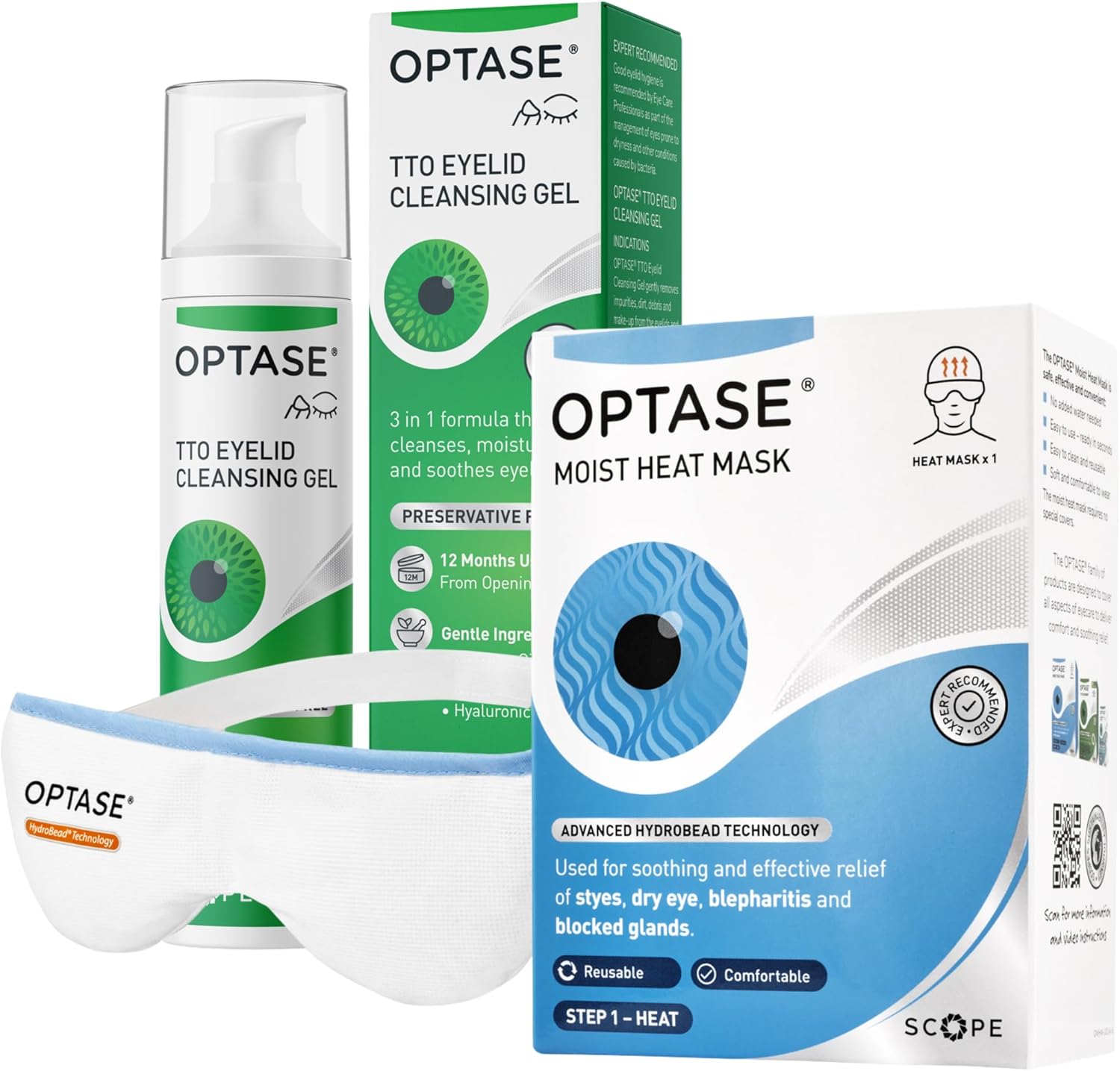
Optase Moist Heat Eye Mask & Tea Tree Cleansing Gel Duo
Combines a microwaveable moist-heat mask with a tea tree lid gel — warmth to loosen the oil glands, then cleansing to clear the margin. That order is the routine most dry-eye clinics teach. The mask is reusable for around a year.
View on Amazon
BenQ ScreenBar LED Monitor Light Bar
Clips to the top of your monitor and lights the desk without throwing glare back at the screen — the specific problem most desk lamps create. Auto-dimming matches output to ambient light, which helps keep contrast comfortable during long sessions. USB powered, no desk space used.
View on Amazon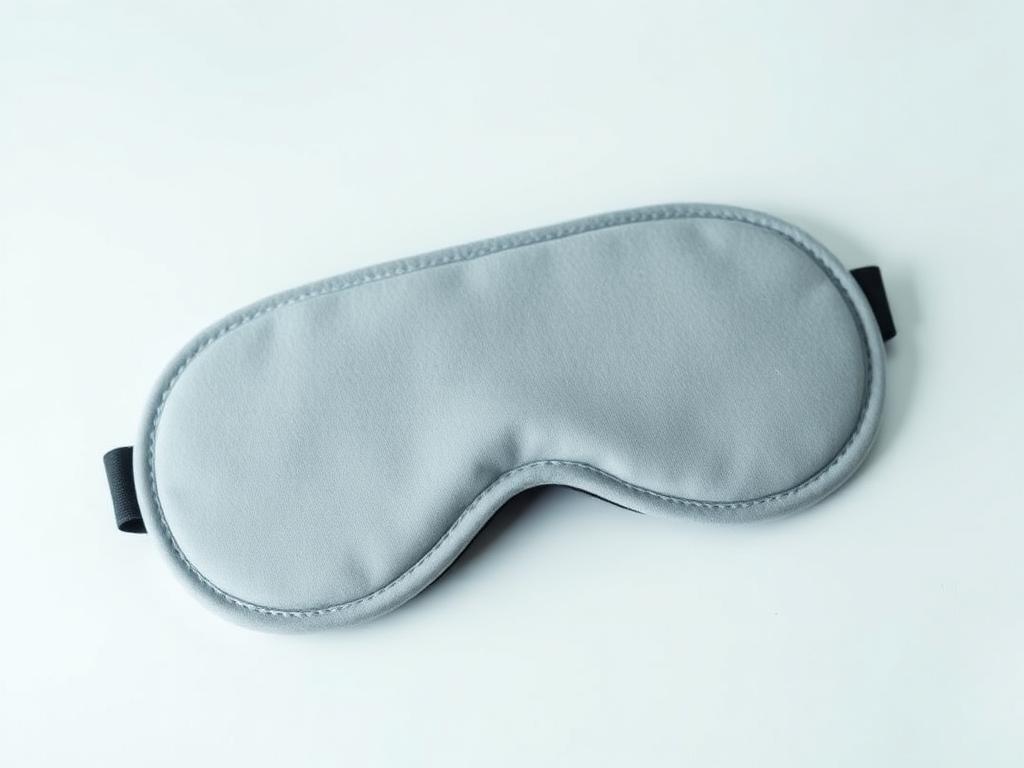
The Eye Doctor Essential Heated Eye Mask
Microwaveable moist-heat compress designed for meibomian gland dysfunction. Holds therapeutic temperature for a full 10-minute warm compress.
View on Amazon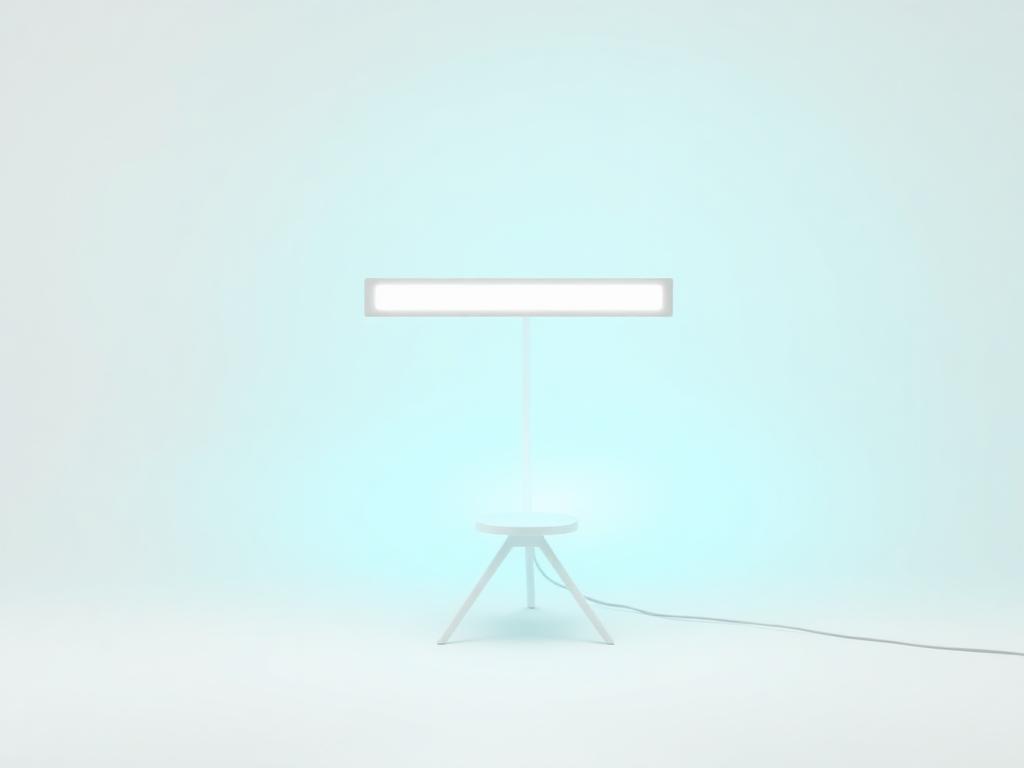
Beurer TL41 Daylight Therapy Lamp
10,000 lux daylight lamp for morning light exposure. Supports circadian rhythm and healthy pupil and accommodation reflexes in dark winter months.
View on AmazonYou might also like
Still have questions?
Talk to our AI Vision Expert for personalized natural eye health guidance.