Your Complete Guide to Healthier Eyes
Great vision isn't just about eye exercises — it's shaped by every choice you make from sunrise to lights-out. Follow this 24-hour blueprint for stronger, more resilient eyes.
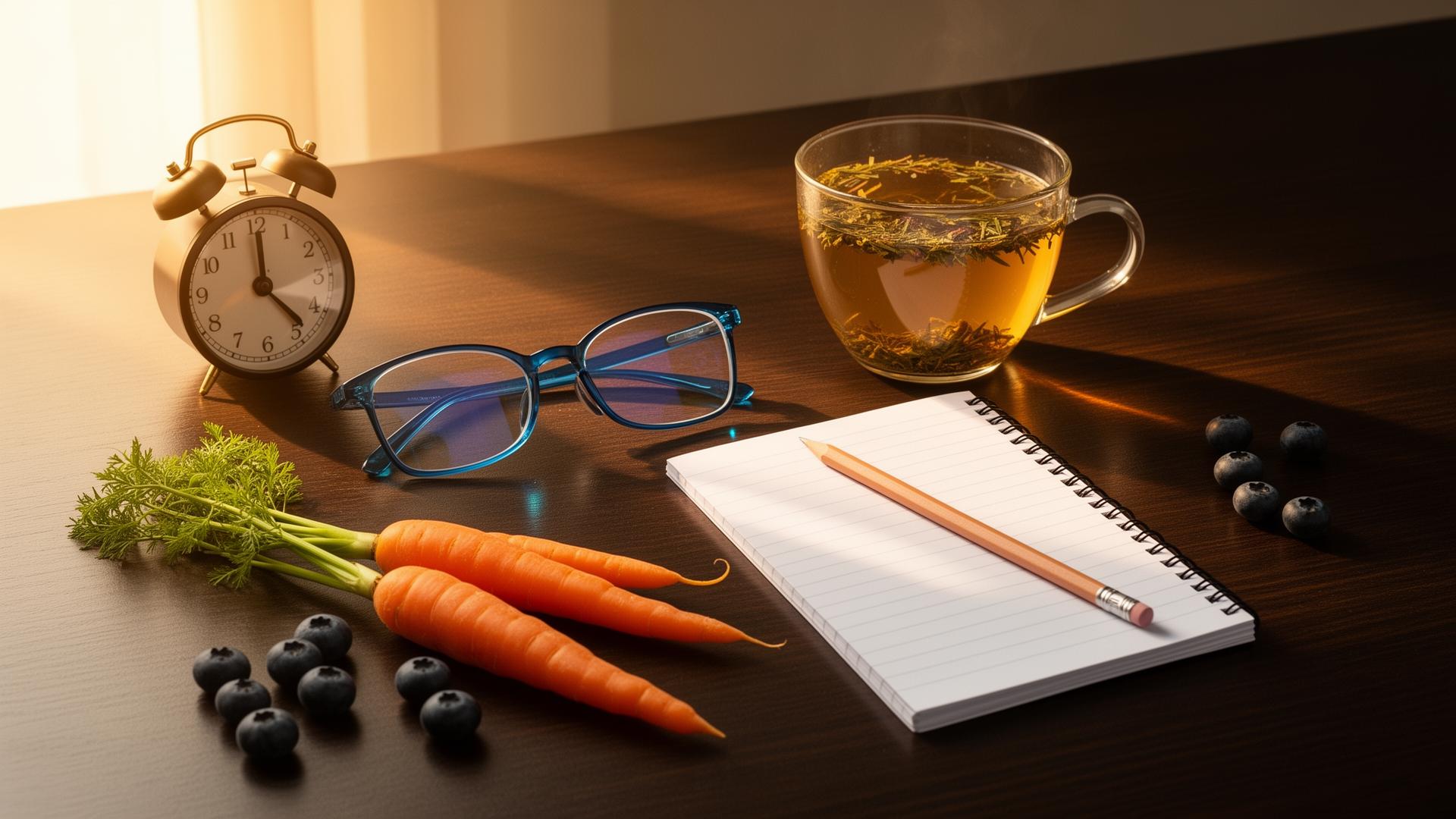
Your 24-Hour Blueprint for Healthier Eyes
Eye health isn't just about exercises — every choice you make from sunrise to sunset either protects or damages your vision. Here's the science-backed daily timeline.
Morning Outdoor Light Exposure
Get 10–30 minutes of direct outdoor sunlight within 1 hour of waking — without sunglasses. Morning light stimulates retinal dopamine release, which inhibits the axial elongation that causes myopia. It also anchors your circadian rhythm, optimizing melatonin receptor function in the retina overnight.
🔬 Science: Outdoor light (10,000+ lux) triggers dopamine from amacrine cells — the strongest known protective factor against myopia progression
Morning Eye Exercise Routine
Start with 3 minutes of sunning (closed-eye sun exposure), followed by 2 minutes of palming for deep visual rest, then 10 cycles of near-far focus shifting. This sequence wakes up the visual system, calibrates accommodation, and improves tear film after sleep.
🔬 Science: Morning exercises reset ciliary muscle tone and stimulate the lacrimal glands for better tear production throughout the day
Vision-Supporting Breakfast
Eat a breakfast rich in eye-protective nutrients: eggs (lutein and zeaxanthin in the yolk are highly bioavailable), spinach or kale, wild berries (anthocyanins for retinal blood flow), and omega-3 rich foods. Take fat-soluble eye supplements (lutein, astaxanthin, vitamin A) with this meal.
🔬 Science: Lutein absorption increases 3× when consumed with dietary fat — eggs are the ideal delivery vehicle for carotenoid bioavailability
Ergonomic Screen Setup & 20-20-20 Rule
Position your monitor at arm's length, slightly below eye level (15–20° downward gaze). Set text size to comfortable reading without leaning in. Every 20 minutes, look at something 20 feet away for 20 seconds. Blink consciously — screen use reduces blink rate from 15 to 3–4 per minute.
🔬 Science: The 20-20-20 rule relaxes the ciliary muscle from sustained accommodation, preventing spasm and reducing digital eye strain symptoms by up to 50%
Midday Outdoor Break
Take your lunch break outdoors if possible. A second dose of bright natural light reinforces retinal dopamine levels and provides a full accommodation reset from morning screen work. Even 15–20 minutes of outdoor time at midday significantly benefits eye health and general circadian regulation.
🔬 Science: Cumulative outdoor time is what matters — the Sydney Myopia Study found 2+ total hours of outdoor exposure daily reduced myopia risk regardless of near-work habits
Afternoon Screen Break Routine
Perform a quick 4-minute eye reset: 1 minute palming, 1 minute figure-8 tracking, 5 cycles near-far focus, 1 minute gentle eye circles. This counteracts the accumulated ciliary spasm and convergence fatigue from hours of screen work. Also apply preservative-free eye drops if experiencing dryness.
🔬 Science: Afternoon accommodation fatigue peaks around 3–4 PM — targeted exercises at this window prevent the end-of-day headaches and blurred vision common in screen workers
Evening Screen Reduction
Begin reducing screen brightness and enabling blue light filters (Night Shift, f.lux). Switch to warm ambient lighting. If using screens, wear blue-light-filtering glasses. Evening blue light exposure not only disrupts sleep but also generates more reactive oxygen species in retinal cells when the eye's natural defenses are declining.
🔬 Science: Blue light (400–490nm) generates ROS in retinal pigment epithelium cells — damage compounds with sustained exposure and is worst in low-ambient-light conditions
Evening Eye Care & Dark Adaptation
Apply a warm compress over closed eyes for 5 minutes (helps meibomian gland function and tear quality). Perform 5 minutes of Tibetan eye chart exercises followed by 3 minutes of palming. Minimize all screen use. Allow your eyes to naturally dark-adapt, supporting rhodopsin regeneration for healthy night vision.
🔬 Science: Warm compresses at 40°C melt meibomian gland secretions, improving the lipid layer of the tear film and reducing overnight evaporative dry eye
Your Complete Eye Care Routine
In a world of constant screen use, protecting your eyes requires deliberate daily habits. These evidence-based practices prevent digital eye strain, dry eye, and long-term retinal damage.
Screen Ergonomics
Position your monitor at arm's length (50–70 cm) with the top of the screen at or slightly below eye level. This creates a 15–20° downward gaze angle, reducing exposed ocular surface area by 50% compared to looking upward — dramatically reducing tear evaporation and strain.
💡 Pro tip: Use an external monitor with your laptop. Laptop screens force a downward neck angle but an upward eye angle — the worst of both worlds.
Ambient Lighting Balance
Your room lighting should match your screen brightness — not darker, not significantly brighter. Position your desk perpendicular to windows (not facing or with your back to them) to eliminate direct glare and reflections. Use indirect lighting that bounces off walls or ceilings.
💡 Pro tip: Invest in a bias light behind your monitor — a 6,500K LED strip at 10% of screen brightness reduces perceived glare and eye fatigue by up to 50%
Blue Light Filtering
Use software filters (Night Shift, f.lux) that reduce blue light emission by 40–60% during evening hours. Blue-light-filtering glasses with selective filtering (blocking 400–450nm while allowing 450–490nm) are more effective than broad-spectrum blockers that distort color perception.
💡 Pro tip: The most harmful wavelengths are 415–455nm. Look for lenses that specifically target this range rather than 'blue light blocking' marketing claims
The 20-20-20 Rule
Every 20 minutes, look at an object at least 20 feet (6 meters) away for a minimum of 20 seconds. This relaxes the ciliary muscle from its contracted near-focus state and provides micro-recovery. Set a timer — studies show almost nobody does this naturally without reminders.
💡 Pro tip: Combine with 3–5 conscious blinks at each break to refresh your tear film. Blink rate drops 66% during screen use, causing surface dryness
Movement & Palming Breaks
Take a 5-minute break every 60–90 minutes. Stand up, walk to a window, and look into the distance. Perform 1 minute of palming (cupped hands over closed eyes in total darkness) to reset your visual system. Roll your shoulders and neck to release tension that restricts blood flow to the eyes.
💡 Pro tip: Cervical spine tension can reduce vertebral artery blood flow to the visual cortex — neck stretches directly support visual processing
Artificial Tears & Hydration
Use preservative-free artificial tears 2–4 times daily if you experience dryness. Avoid drops with vasoconstrictors (tetrahydrozoline, naphazoline) — they cause rebound redness. Drink 2–3 liters of water daily. Dehydration directly reduces tear production and increases tear osmolarity.
💡 Pro tip: Hyaluronic acid-based drops provide the longest-lasting relief. Apply before extended screen sessions, not just when symptoms appear
Warm Compress Therapy
Apply a warm compress (40–45°C) over closed eyes for 5–10 minutes daily. This liquefies the lipid secretions in your meibomian glands, which produce the oily outer layer of the tear film. Blocked meibomian glands are the #1 cause of evaporative dry eye — the most common form of dry eye disease.
💡 Pro tip: Use a microwaveable eye mask rather than a washcloth — they maintain consistent therapeutic temperature for longer
Palming & Deep Relaxation
End each day with 3–5 minutes of palming in a quiet, dark environment. Cup your warm palms over closed eyes, ensuring no light enters. Breathe deeply and visualize complete blackness. This provides total parasympathetic activation for the visual system and is the single best recovery exercise for strained eyes.
💡 Pro tip: Combine with 4-7-8 breathing (inhale 4s, hold 7s, exhale 8s) to maximize the relaxation response
Products for Vision Devices
Practitioner-recommended products to support your vision health journey.
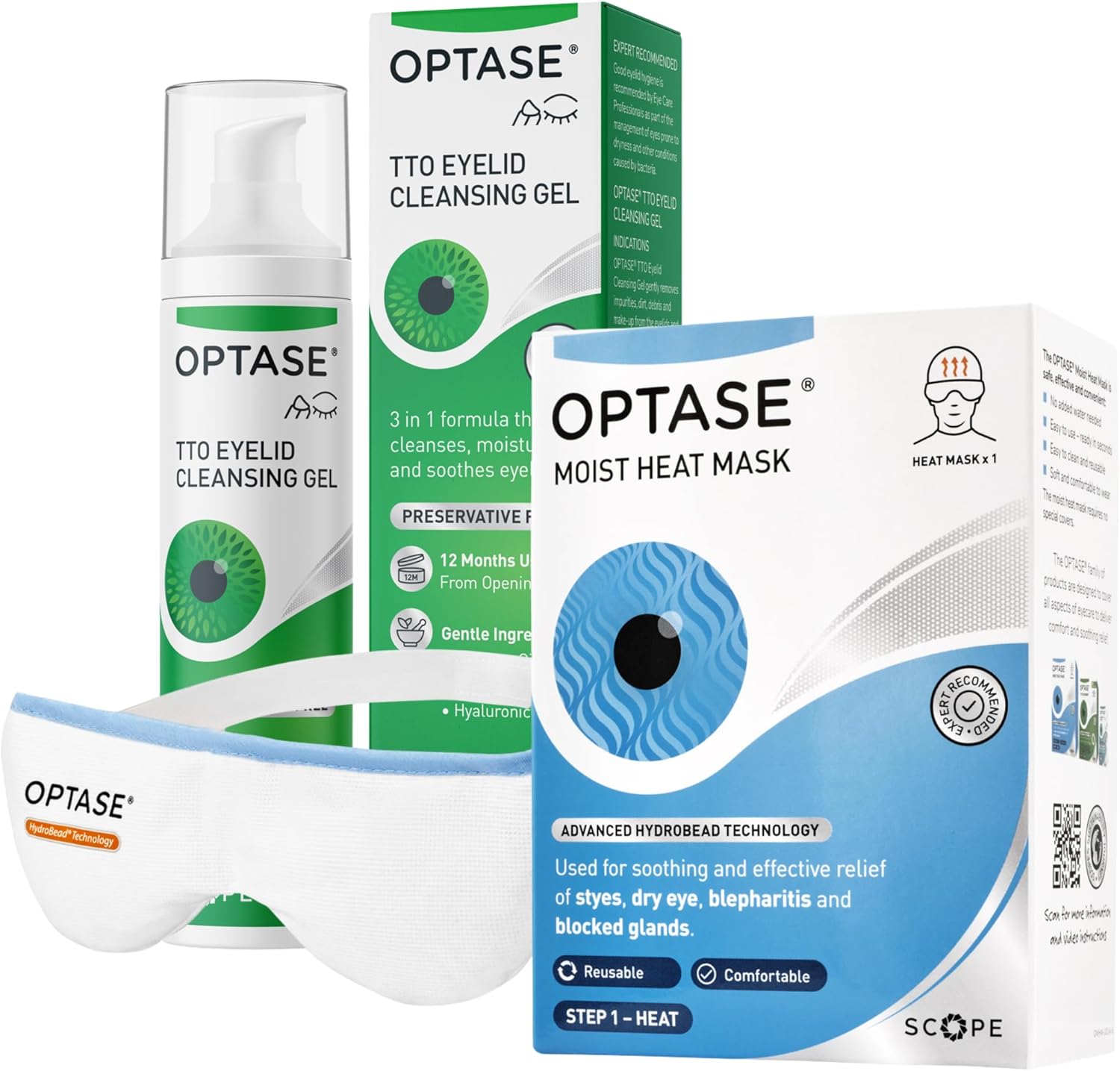
Optase Moist Heat Eye Mask & Tea Tree Cleansing Gel Duo
Combines a microwaveable moist-heat mask with a tea tree lid gel — warmth to loosen the oil glands, then cleansing to clear the margin. That order is the routine most dry-eye clinics teach. The mask is reusable for around a year.
View on Amazon
BenQ ScreenBar LED Monitor Light Bar
Clips to the top of your monitor and lights the desk without throwing glare back at the screen — the specific problem most desk lamps create. Auto-dimming matches output to ambient light, which helps keep contrast comfortable during long sessions. USB powered, no desk space used.
View on Amazon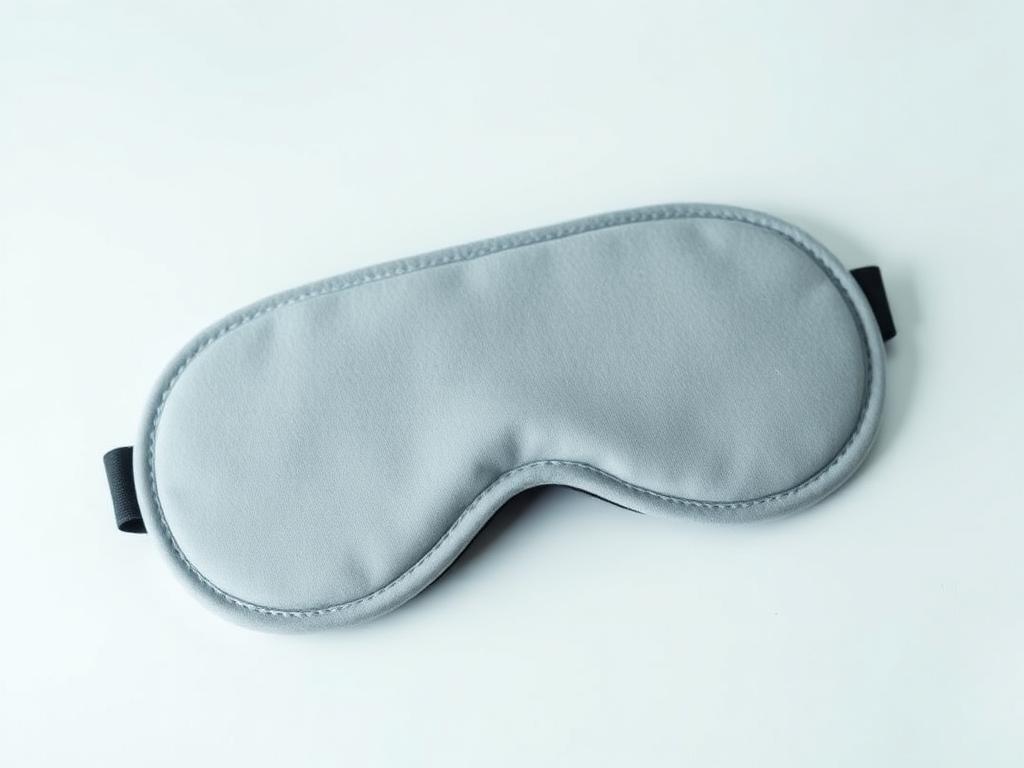
The Eye Doctor Essential Heated Eye Mask
Microwaveable moist-heat compress designed for meibomian gland dysfunction. Holds therapeutic temperature for a full 10-minute warm compress.
View on Amazon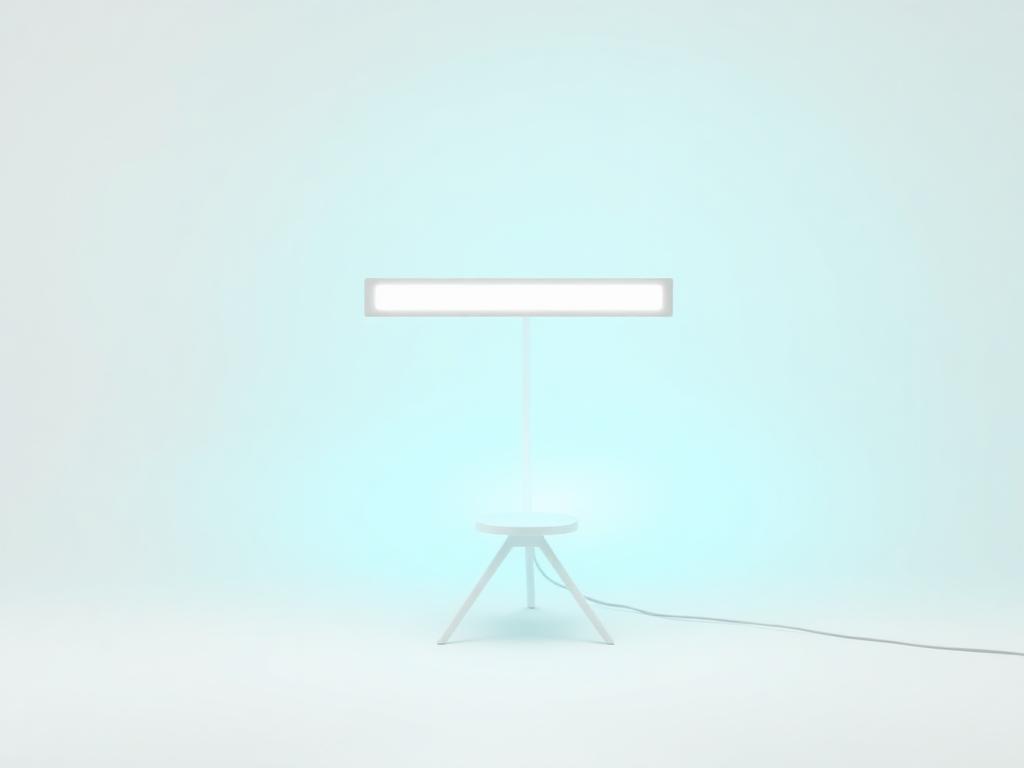
Beurer TL41 Daylight Therapy Lamp
10,000 lux daylight lamp for morning light exposure. Supports circadian rhythm and healthy pupil and accommodation reflexes in dark winter months.
View on AmazonYou might also like
Get weekly eye health tips
Evidence-based natural vision strategies delivered to your inbox every Sunday.